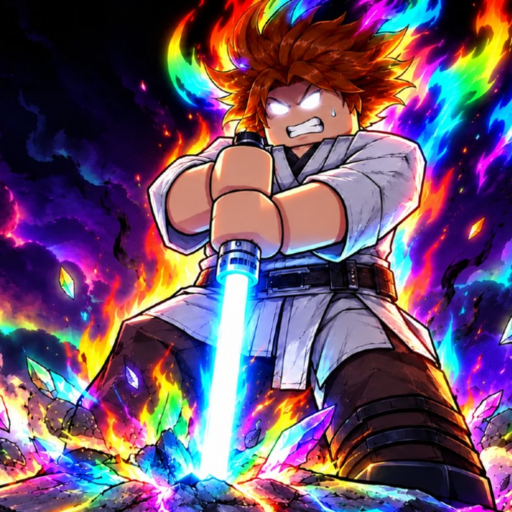
RobloxSimulation / Tycoon

Pull A Sword Wiki

Train Strength. Reveal mystery swords. Grow your plot.

Use this Pull A Sword Roblox wiki to connect Strength training, mystery reveals, enemy combat, and plot upgrades. Check code status, compare first-session priorities, or choose a focused guide for your next task in Minecrawler’s game.

Developer
Minecrawler
Release date
Aug 29, 2026
Visits
1,948,986
Rating
87.2% (5,945 votes)
A player view of the sword loopIndonesian commentary accompanies an actual player session.19:33
Game type
Simulation / Tycoon
Max players
5
Supported devices
PC
Genres
Simulation, Tycoon
Last verified
Oct 4, 2026

Independent fan guidance for Minecrawler’s experience; not affiliated with Roblox or the creator.

Start here

Pull A Sword Beginner Guide: Finish One Learning Loop

Your first Pull A Sword Roblox gameplay session should leave you able to explain a sword result and choose the next useful activity. Learn the connections in order; a spectacular rarity is not the condition for understanding the loop.

First useful milestone Recognize a working training action, attempt a suitable pull, finish a reveal, and name one next task. Understanding these relationships is the goal, regardless of the sword you receive.

Already partway through?Start at the checkpoint you have not understood. If a mystery sword is waiting, finish identification. If the sword loop is clear, choose combat preparation or a plot decision.

  1. Recognize the training action

    For a player who has just entered the experience.

    • Find the training dummy and follow the interaction instructions the game presents. Training builds Strength, which connects to pulling better swords.
    • Recognize the response to the intended action before repeating it; an unrelated reveal does not measure whether this input worked.
  2. Use Strength in a pulling task

    After the training interaction makes sense.

    • Choose an available sword-pulling task and read any condition shown. If Strength blocks it, return to training with that specific goal.
    • Distinguish a completed attempt from a rejected interaction. More training helps when it addresses the displayed condition.
  3. Finish the mystery reveal

    After successfully obtaining an unidentified result.

    • Continue to the reveal and inspect what it identifies. Common and LEGENDARY are examples of outcomes, not a complete promised rarity roster.
    • Use the identified result to choose a comparison or next task. Keep the decision separate from expectations about what the following attempt must produce.
Choose one next task

Assess an accessible enemy encounter, consider the purpose of a sword sale, or inspect a plot upgrade’s described effect. Pick the decision that matters now rather than changing every part of your routine together.

Follow the complete beginner route
Reward strings

Pull A Sword Codes: Verification Status

No active Pull A Sword code was verified for Minecrawler’s experience in this review. Ordinary Server Luck, friend boosts, and offline rewards do not establish a redemption string. An empty list is a status result, not a promise that codes can never be introduced.

Inspect the code review
No active codes verified

Verify the game before trying a code

There is no supported string to copy today. A same-name Roblox game may use different codes and mechanics. Confirm the current experience and any announced conditions before treating a later string as an available reward.

Match the experience

Confirm Minecrawler and place 102255204927572. A matching title without the creator and destination is insufficient.

Read creator announcements

Check the linked experience and Minecrawler community for an exact string rather than borrowing one from another game.

Inspect conditions

Read any stated validity period, eligibility, or instructions. Do not assume an announcement promises a permanent reward.

Read the actual result

If redemption is introduced, follow its real interface and inspect the response before recording a reward as received.

Return after a relevant announcement

Favorite the official experience to follow creator updates, then revisit this review if an announcement actually mentions codes. This wiki has no automatic code-alert subscription.

Recheck the source destinations
Editorial comparison

Pull A Sword Tier List: First-Session Activity Priorities

In Pull A Sword, learn core activities in an order that makes their feedback easier to interpret. These grades apply to a new player learning the sword loop, not sword damage, official tiers, or an experienced player’s present combat goal.

Site editorial orderScope: learning one complete sword loop

The official experience establishes these activities. We rank first-session learning value by dependency, feedback clarity, and contribution to the next decision. An understood checkpoint needs no indefinite repetition.

  • Learning dependency
  • Clarity of task feedback
  • Usefulness for the next decision
PriorityCore activityWhy it helps hereWhen to act or move on
S
Dummy trainingStrength-building activity
Why it helps here
  • Builds the Strength connected to better sword pulls.
  • Introduces a repeatable action before testing a pulling goal.
When to act or move on

If the interaction is unfamiliar, establish a working input and recognize its feedback. Once that is clear, move to a suitable pull rather than extending training without a purpose.

A
Sword pullingAttempt and requirement checkpoint
Why it helps here
  • Uses the Strength-building part of the loop.
  • Separates a completed attempt from a condition that blocks it.
When to act or move on

If you understand training, attempt the relevant pulling task. A blocked condition routes you back to its prerequisite; a successful mystery result routes you onward to identification.

B
Reveal mystery swordsMystery identification activity
Why it helps here
  • Identifies the sword that an attempt produced.
  • Supplies the rarity context needed for a later comparison.
When to act or move on

If a mystery is waiting, reveal it before choosing by rarity. Finish with an identified result; its learning-order grade does not make revelation optional.

C
Enemy combatEncounter and readiness activity
Why it helps here
  • Provides encounters with Slimes, Goblins, and Zombies.
  • Adds a separate task once the sword loop is understandable.
When to act or move on

If combat is already your goal, move encounter preparation ahead of routine learning. Use an accessible fight to assess readiness, then continue or review the factor that interrupted the attempt.

This is a learning-priority recommendation for the stated scope; it is not a creator-published hierarchy.

Diagnose the blocked task

Pull A Sword Training: Why Is My Next Pull Still Blocked?

Pull A Sword training builds Strength, but a stalled task needs a narrower diagnosis than “train more.” Start by separating a working dummy interaction, a pulling condition, and the rarity of a completed reveal. Each symptom leads to a different check, so test the branch that matches what you can actually observe.

I cannot tell whether the dummy action registered

You repeat an interaction but cannot identify its response, making later comparisons unreliable.

Possible explanationIf the intended interaction is not clear, the uncertainty may be about input or feedback rather than the amount of Strength you need. This is a diagnostic possibility, not a confirmed game fault.

Establish the action
Read the instruction at the dummy and perform the intended action once with attention to its response. If the interaction differs from what you expected, follow the current instruction before repeating it.
Confirm or pause
Continue a training routine only once you can recognize its feedback. If the response remains unclear, revisit the dummy guide and the game’s instruction rather than calling an unrelated sword reveal proof that training worked.
Inspect dummy interaction checks

Training works, but the chosen pull remains unavailable

You recognize training progress, yet the same pulling task still does not complete.

Possible explanationIf the task shows a Strength condition, the current progress may not satisfy that goal. If it shows a different condition, additional training alone may not address the message.

Read the blocking condition
Inspect the response to that exact task. When it identifies Strength, connect training to the displayed requirement and revisit the same task under comparable conditions. When it identifies something else, follow that requirement instead.
Use a meaningful checkpoint
Success means the relevant condition no longer blocks the attempt, not merely that you spent more time at the dummy. If the message persists, reread it and narrow the cause before changing the whole routine.
Connect Strength to one goal

The pull completed, but the revealed rarity disappointed me

You obtained and identified a sword, then treated its rarity as evidence that the preceding training failed.

Possible explanationTraining progress and a particular revealed result answer different questions. Common and LEGENDARY are identified outcomes; one reveal does not explain every condition behind future outcomes.

Separate the observations
Ask first whether the intended pull completed. Then inspect the revealed sword as its own result. Keep the completed task in your progression assessment even if you hoped for a different rarity.
Choose a next decision
Use the identified sword for the comparison or task it actually serves. Return to training when a new pulling goal gives it a purpose, rather than retrying indefinitely to prove a guessed relationship between Strength and one rarity.
Interpret an identified result
Finish the result pipeline

Pull A Sword Swords: What Must I Finish Before Comparing a Result?

Complete the attempt-to-identification sequence before deciding what a sword contributes. Pulling and revealing are connected activities, but the successful attempt and the identified outcome are different checkpoints. This process begins at an available task and ends with a comparison you can explain.

Complete the acquisition checkpoint

  1. 1

    Read the task before interpreting the outcome

    Inspect the instruction and any condition attached to your chosen pull. Strength matters to pulling better swords, but a task response is the useful guide to what blocks this attempt. Keep the goal specific enough that you can recognize whether it completed.

    Routing decisionA stated unmet condition sends you to that prerequisite; an available interaction lets you proceed.
  2. 2

    Distinguish a successful pull from an interrupted action

    Perform the instructed interaction and inspect the result. An incomplete attempt is not a revealed sword. If the action stops, identify its displayed condition before making a rarity comparison.

    Acquisition checkpointProceed when the pulling task has actually produced a mystery result.

Complete identification before choosing

  1. 3

    Reveal the mystery and read its information

    Follow the reveal and inspect the identified sword. Common and LEGENDARY are examples from the official description. Read the result you received without converting those examples into a complete roster or a probability for your next attempt.

    Identification checkpointThe mystery now has a visible identity or rarity that can support a decision.
  2. 4

    Compare the result against a present task

    Choose the question this sword should answer: an encounter, collection comparison, or possible sale. Compare the provided information. If its purpose remains unclear, inspect it before committing to another action.

    Decision checkpointYou can state what the identified sword contributes and which activity you will inspect next.
Choose by present usefulness

Pull A Sword Plots: Should I Upgrade Now or Wait?

Give a Pull A Sword plot upgrade a job before investing. Selling swords and plot growth belong to progression, but timing depends on your current obstacle and the option’s description. These examples illustrate a decision method, not a price schedule or universal purchase order.

Worked situation

An option describes an effect relevant to your obstacle

Suppose an available upgrade describes an effect relevant to your obstacle. Read the offered transaction before acting; relevance alone does not decide its timing.

  • Name the obstacle, read the effect and any displayed cost, and confirm that you are comparing the offered change rather than its artwork.
  • If you choose the transaction, revisit the affected activity under similar conditions. Compare its feedback before attributing later results to the purchase.

Alternative choice

The option is useful, but its job comes later

A future-useful option need not be your immediate priority. Compare investing now with finishing the present task first.

Choose it now

Consider this when the described change serves the activity you are about to repeat and you understand the transaction.

  • The decision has an immediate task and a clear result check.
  • Spending without an understandable effect makes later comparisons harder.
Wait and inspect

Consider this when the benefit is unclear or a sword involved in a possible sale remains unidentified.

  • You can finish identification or clarify the obstacle before committing.
  • Waiting is a deliberate information step, not proof that the option is weak.
Use the same criterion for both choices

Prefer the choice you can connect to a present task and an observable result. Do not treat a later-useful upgrade as a mandatory purchase before finishing the current learning checkpoint.

What to do after the comparison

The affected task becomes clearerKeep the useful change in your plan and choose the next obstacle. Record the actual effect you observed rather than inventing a universal efficiency ranking.
The effect remains uncertainPause additional purchases, reread the description, and revisit comparable conditions. If a sale is involved, identify what you would give up before using it to fund another decision.
Access and preparation

Pull A Sword Combat: Does Reaching a Zone Mean I Am Ready?

In Pull A Sword, reaching an area and making useful progress in an encounter are different conditions. Separate the access question from the preparation question, then use a fight you can interpret to choose the next step. Slimes, Goblins, and Zombies are established enemy families; their names alone do not establish a universal difficulty order.

A zone condition answers an access question

Start here when an area cannot be entered or an activity is unavailable.

Read any requirement presented at the destination and respond to that condition. Do not infer a missing threshold from a promotional image or a different same-name game. If the area becomes accessible, you have resolved the access checkpoint; that alone does not measure how a particular fight will go.

Observable checkpointThe destination is accessible, or its displayed condition identifies the prerequisite you must address.

An encounter answers a preparation question

Use an available enemy task when you can recognize its outcome.

Choose a fight with a clear purpose and inspect the instructions and result. If you change your sword and choose a different enemy at the same time, the comparison mixes factors. Keep the task similar where possible and examine the one relevant preparation change before drawing a broader conclusion.

Observable checkpointYou can explain whether the encounter completed usefully or which observed part interrupted the attempt.

A useful routine follows an interpretable result

Decide whether to continue the encounter or revisit its preparation.

Continue when comparable attempts serve the session’s goal. If they remain interrupted, review the specific factor you can identify rather than cycling through every upgrade and area. A harder-looking enemy name is not enough to decide. Keep access, preparation, and the desired result explicit so the next attempt tests something meaningful.

Next decisionRepeat a useful task, make one relevant preparation change, or return to a clearly stated prerequisite.
Find the relevant feature moment

Pull A Sword Rewards: Where Should I Check Luck, Friends, and Returns?

Choose the feature that matches the moment you want to understand. This directory points to session information, shared play, and the return event without inventing menu coordinates. Each feature needs its own check; a single sword reveal cannot establish all of their rules.

FeatureWhere to inspectUseful checkInterpretationFocused article
Session feature

Server Luck

Inspect the feature’s explanation before turning a reveal into a claim about odds.

Entry pointThe current session’s Server Luck information, if shown.
ActionRead its stated condition and displayed state.
Result checkKeep the displayed rule separate from the rarity of one sword. No exact percentage is established here.
Shared play

Friend boosts

Use a shared-session state check rather than assuming that every additional player changes a boost.

Entry pointThe current game’s friend-boost information during shared play.
ActionInspect the condition and compare the relevant state.
Result checkIf other factors changed too, do not assign the whole difference to the friend feature.
Return feature

Offline rewards

Inspect the return event before active play makes its result harder to distinguish.

Entry pointReturn to the experience and read any reward presentation.
ActionFollow an actual claim instruction if the game presents one.
Result checkIdentify the return result, then resume a useful task. Do not assume a rate, cap, or claim button.
Before you plan another session

Questions About the Experience and This Wiki

Where is the Pull A Sword Roblox official page?

Use the Play on Roblox action above for Minecrawler’s experience at place 102255204927572. The linked Minecrawler community is the creator-owned destination for community information. A similarly named experience is a different game; confirm the creator and place before using its code list or gameplay assumptions. This wiki is an independent reading resource and does not publish announcements on the creator’s behalf.

What does the SCI-FI title label establish?

The official experience currently displays SCI-FI in its name. That identifies its presentation, but the label alone does not supply patch notes, a sword roster, a zone threshold, or an unlock method. Inspect the actual feature information and review the affected task if an instruction changes. A surprising reveal by itself is not evidence of a balance update.

What do the wiki’s review dates mean?

Article dates describe publication or review. Hero figures come from a Roblox snapshot, not live counters. Follow current in-game instructions when they differ, then prepare a correction with the affected claim, page URL, and current-game context.